
Penguin Defends Due Diligence Amid 'Salt Path' Controversy
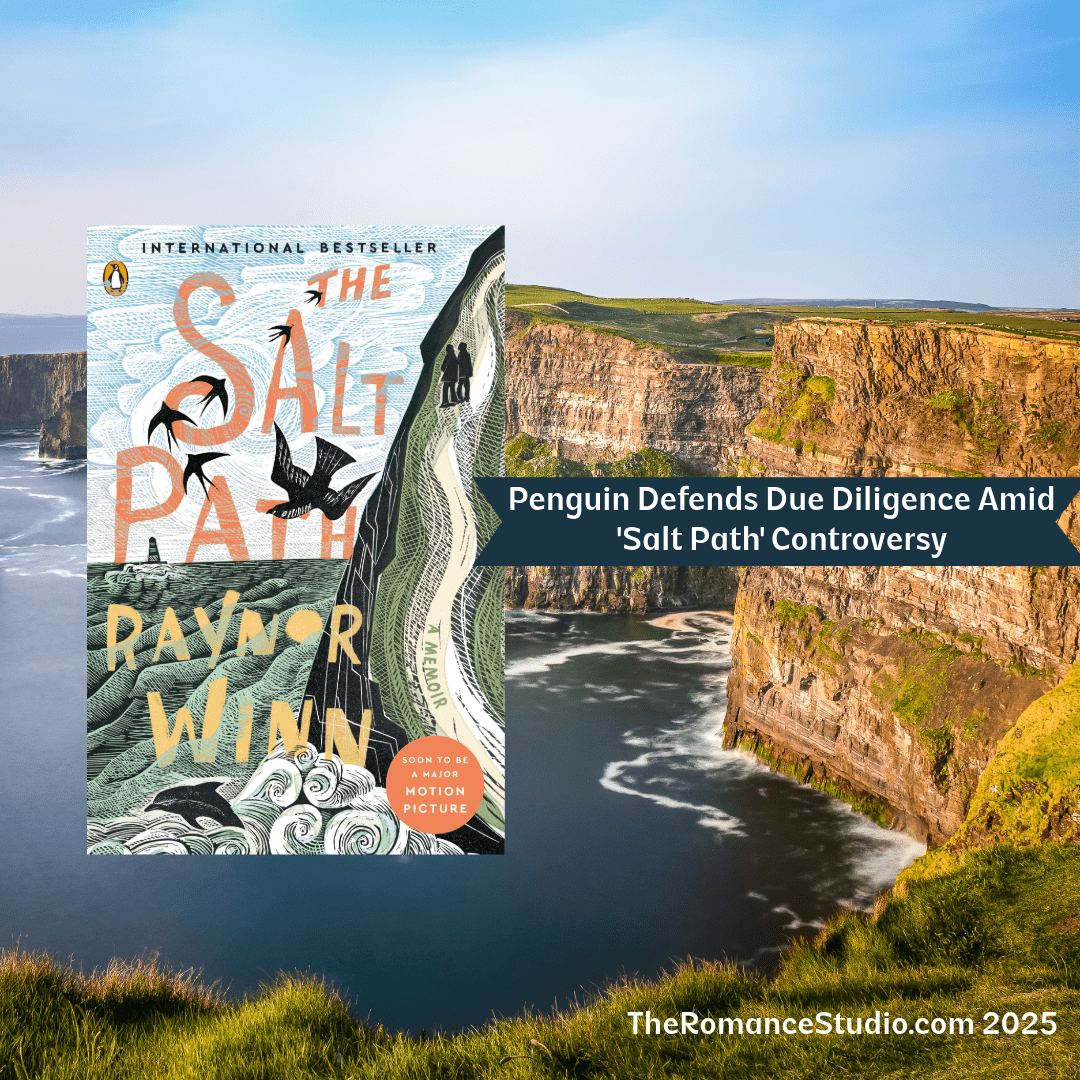
As controversy swirls around The Salt Path and its author Raynor Winn, publisher Penguin Michael Joseph has stepped forward to defend its handling of the bestselling memoir. The publisher says it followed standard non-fiction protocols before the book’s 2018 release, including legal review and contractual guarantees of factual accuracy.
This response comes days after The Observer published a detailed exposé alleging that The Salt Path—which has inspired millions and was recently adapted into a film starring Gillian Anderson—omits critical parts of Winn’s history, including a conviction for embezzling £64,000 and participation in a questionable prize-draw scheme involving her home. The investigation also raises doubts about the depiction of her husband’s medical diagnosis, suggesting factual inconsistencies that experts say don’t align with the progression of corticobasal degeneration.
Penguin’s full statement to BBC News reads: “Penguin (Michael Joseph) published The Salt Path in 2018 and, like many readers, we were moved and inspired by Raynor’s story and its message of hope. Penguin undertook all the necessary pre-publication due diligence, including a contract with an author warranty about factual accuracy, and a legal read, as is standard with most works of non-fiction.”
Winn, who has published multiple follow-ups to The Salt Path, told media outlets the article was “highly misleading” and that she is currently seeking legal counsel, declining further comment.
While Penguin affirms its confidence in its publishing process, questions remain for readers and industry professionals alike. The unfolding scrutiny underscores ongoing debates about the responsibility publishers bear in vetting personal narratives—especially those marketed as true stories that inspire widespread public trust.