
Hi
Authors & AI: What You Need to Know About the Anthropic Lawsuit
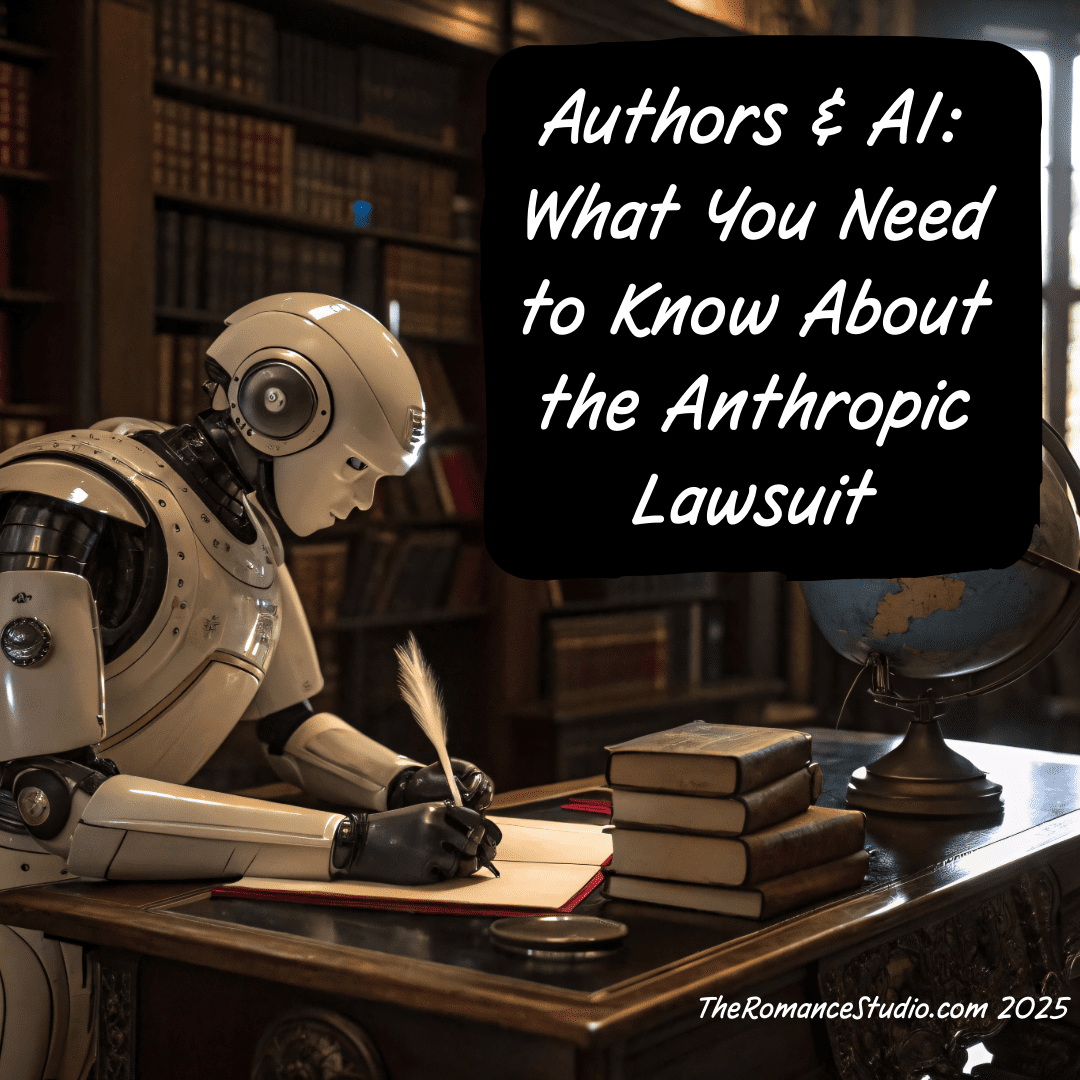
A major legal battle is brewing between bestselling authors and the AI tech world, and it’s one that could have sweeping implications for creatives across the publishing industry.
Here’s what you need to know about the class action lawsuit against Anthropic, the AI company behind Claude, and how it may affect you as an author.
The Lawsuit: What’s Happening?
Earlier this year, a group of authors including Andrea Bartz, Charles Graeber, and Kirk Wallace Johnson filed a class action lawsuit in federal court in California. Their claim? That Anthropic trained its AI on 7 million pirated books without consent, compensation, or credit.
The court has certified a class of authors, meaning that potentially all writers whose books were scraped from pirate sites and used by Anthropic are part of this lawsuit.
A trial is currently scheduled for December 1, 2025.
Anthropic’s Response
Anthropic is pushing back. The company recently appealed the class certification, warning that allowing the lawsuit to proceed could be a “death knell” for its operations. The appeal is still pending, but for now, the class action is moving forward.
Are You Included in the Case?
According to the Authors Guild, if your books were downloaded from pirate websites and used by Anthropic, you are likely included in the class automatically. You don’t have to take any legal action to join.
However, there’s one important step you should take: To make sure you receive legal notices, including the option to opt out, you should send your current contact information and a list of your published titles to the court-appointed class counsel.
Class counsel is expected to file a complete list of affected works by September 1, 2025.
Why This Matters: Potential Damages
If the plaintiffs win, the court could award statutory damages ranging from $750 to $150,000 per title. That means serious compensation is on the table, especially for authors whose entire backlists may have been affected.
What You Should Do Now
-
Check if your books were pirated. You can use tools like Google Search or piracy reporting services to get a sense of where your titles may have been shared.
-
Submit your information to class counsel to stay informed –>Author Contact Information Intake Page
-
Stay updated through trusted organizations like the Authors Guild, who are monitoring the case closely.
The Bottom Line
This lawsuit is about more than just one AI company, it’s about protecting creative rights in an era of rapid technological change. Whether you write romance, thrillers, nonfiction, or poetry, if your books were pirated, this case could directly affect you.
Keep an eye on it. Your rights, and your royalties, might be on the line.