
Supreme Court Declines Review, Leaving Texas Library Book Bans Intact
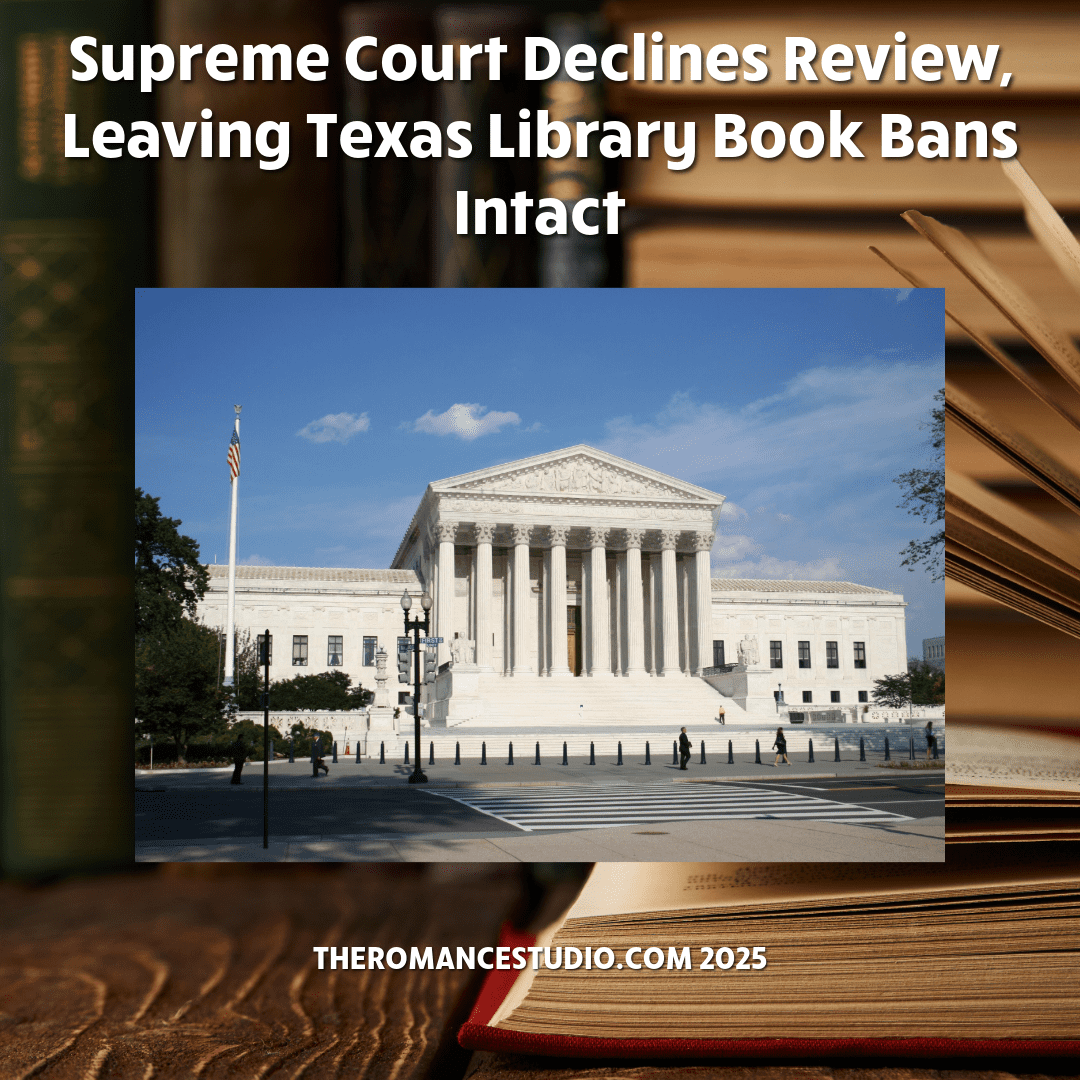
In a move with far-reaching implications for public libraries across the Fifth Circuit, the U.S. Supreme Court has declined to hear Little v. Llano, effectively allowing Llano County, Texas, to continue removing books from its public library shelves. By refusing the appeal, the Court leaves standing a controversial ruling from the Fifth Circuit Court of Appeals that permits local officials to pull books based on content without violating constitutional protections.
How the Dispute Began
The conflict traces back to 2021, when Llano County officials abruptly removed 17 titles from the county’s public libraries. The books in question covered topics ranging from U.S. history and race to LGBTQIA+ identity—and included several light-hearted children’s books about bodily functions that officials labeled inappropriate.
Patrons sued, arguing that the removals were driven by political and ideological objections, and therefore violated their First Amendment right to access information.
Two lower courts agreed. They ruled that government officials cannot purge public library shelves simply because they dislike a book’s message or themes. Those early victories seemed to reinforce long-standing constitutional principles that public libraries must remain viewpoint-neutral spaces.
The Fifth Circuit Reverses Course
But the momentum shifted in May, when the full Fifth Circuit reheard the case en banc and issued a dramatic reversal. The appellate court concluded that Llano County’s actions did not infringe on patrons’ rights, reasoning that the government has broad discretion to manage library collections.
In a further departure from precedent, the court suggested that removing books doesn’t prevent access altogether since readers “can purchase the books or borrow them elsewhere.”
The ruling applies only within the Fifth Circuit—Texas, Louisiana, and Mississippi—but advocates warn its influence is already expanding. School districts and libraries in multiple states have cited the decision as legal justification for new or ongoing book removals.
Supreme Court Steps Back
With the Supreme Court declining review, the Fifth Circuit’s opinion remains the controlling authority in its region, leaving its reasoning intact and untested at the national level.
Although the Court offered no explanation for denying certiorari, Justice Clarence Thomas issued a note stating that he would have granted the county’s request to remove the books—an unusual signal given the Court’s silence on such petitions.
Impact on Free Expression and Library Access
Organizations supporting the patrons expressed alarm at the Court’s inaction. PEN America, which tracks book bans nationwide, warned that the decision grants local governments a powerful tool to reshape library collections based on ideology.
“Elly Brinkley, staff attorney for U.S. Free Expression Programs at PEN America, stated that the Fifth Circuit’s ruling has already become a blueprint for defending book bans,” noting that the Supreme Court’s refusal to intervene “erodes the most elemental principles of free speech” and enables governments to control what information citizens can access.
Free expression advocates argue that the case threatens the core democratic function of public libraries: to offer diverse perspectives and protect access to ideas—even those considered uncomfortable or controversial by local officials.
What Comes Next
Because the Supreme Court declined to hear the case, no nationwide precedent has been set. However, within the Fifth Circuit, the ruling now stands as binding law. Critics fear it may embolden broader efforts to restrict books dealing with race, gender identity, sexuality, and other politically charged topics.
For now, the fight over public library collections continues to play out in state legislatures, county commissions, and school districts. With the Supreme Court opting not to weigh in, the constitutional landscape around book bans remains fractured—and fraught.