
Colbert Cancelation Sparks Political Outcry: WGA Demands Investigation into Paramount Decision
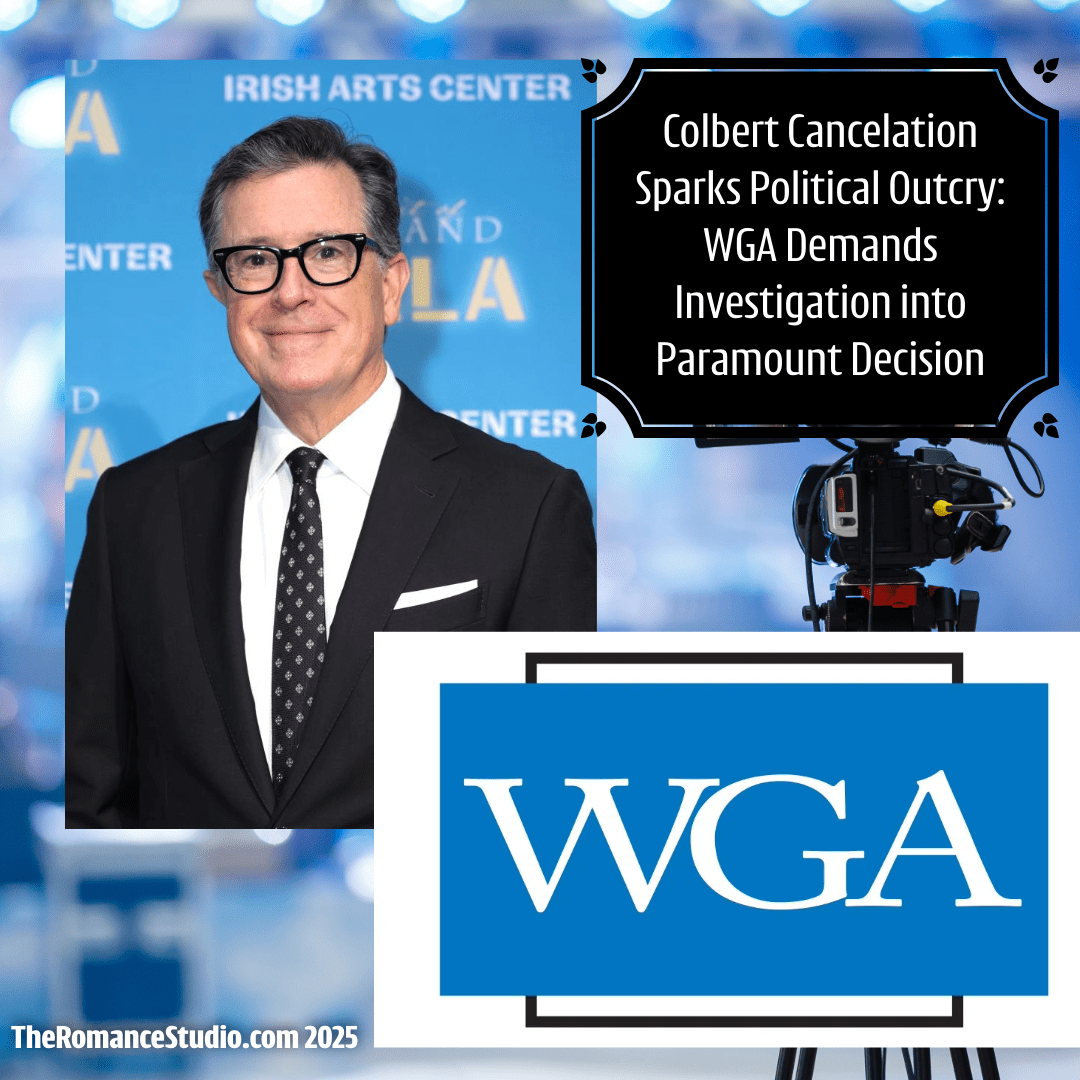
In a move sending shockwaves through the entertainment industry, Paramount has abruptly canceled The Late Show with Stephen Colbert—a ratings powerhouse and longtime staple of CBS’s late-night lineup. The decision, announced just 48 hours after Colbert publicly criticized Paramount’s $16 million settlement with Donald Trump, has sparked outrage from the Writers Guild of America (WGA), which is calling for immediate investigations into potential political influence and corporate censorship.
On July 15, during a typical taping of The Late Show, Colbert made headlines by referring to Paramount’s recent legal settlement as a “big fat bribe,” implying that the payment to Trump was an attempt to smooth the way for the company’s proposed merger with Skydance Media. That merger is currently under review by regulators in California.
Less than two days later, the show was canceled.
Paramount cited vague concerns about “financial performance,” a claim that has baffled many in the industry. For a decade, The Late Show has been a dominant force in late-night television, consistently leading its time slot, generating high ad revenue, and amassing a vast audience through broadcast, streaming, and social media platforms.
The WGA—both East and West divisions—issued a scathing joint statement following the announcement, voicing “significant concerns” that the cancelation was politically motivated. “Paramount’s decision to axe a program critical of Trump, just after a controversial legal settlement with the former president, raises serious questions,” the statement reads. “If true, this is not merely a business decision. It’s an assault on free speech.”
The Guilds are calling for New York Attorney General Letitia James to join California in launching an investigation into Paramount’s actions. James, who previously prosecuted Trump for fraudulent business practices, has been urged to examine whether political pressure played a role in the show’s cancelation.
The statement from the WGA also places the cancelation within a broader pattern of hostility toward the press, noting Trump’s past lawsuits and threats against media companies, as well as proposed funding cuts to public broadcasting institutions like PBS and NPR. “Cancelations are part of the business,” the WGA emphasized, “but a corporation terminating a show in bad faith due to explicit or implicit political pressure is dangerous and unacceptable in a democratic society.”
Colbert, a comedian known for his biting political satire, has not yet issued a public comment. However, the WGA has pledged full support for Colbert and his writing staff, promising to “explore all potential legal and political avenues” to address what they view as a politically charged act of censorship.
With this controversy now drawing national attention, the future of The Late Show—and the freedom of politically outspoken creators—hangs in the balance. As the WGA calls on elected leaders to intervene, the question looms large: Was The Late Show canceled for ratings, or for rocking the boat?
For more information, visit the Writers Guild of America East and Writers Guild of America West.