
Lawsuit Filed Over Alleged Use of Classmate’s Story in Bestselling Memoir
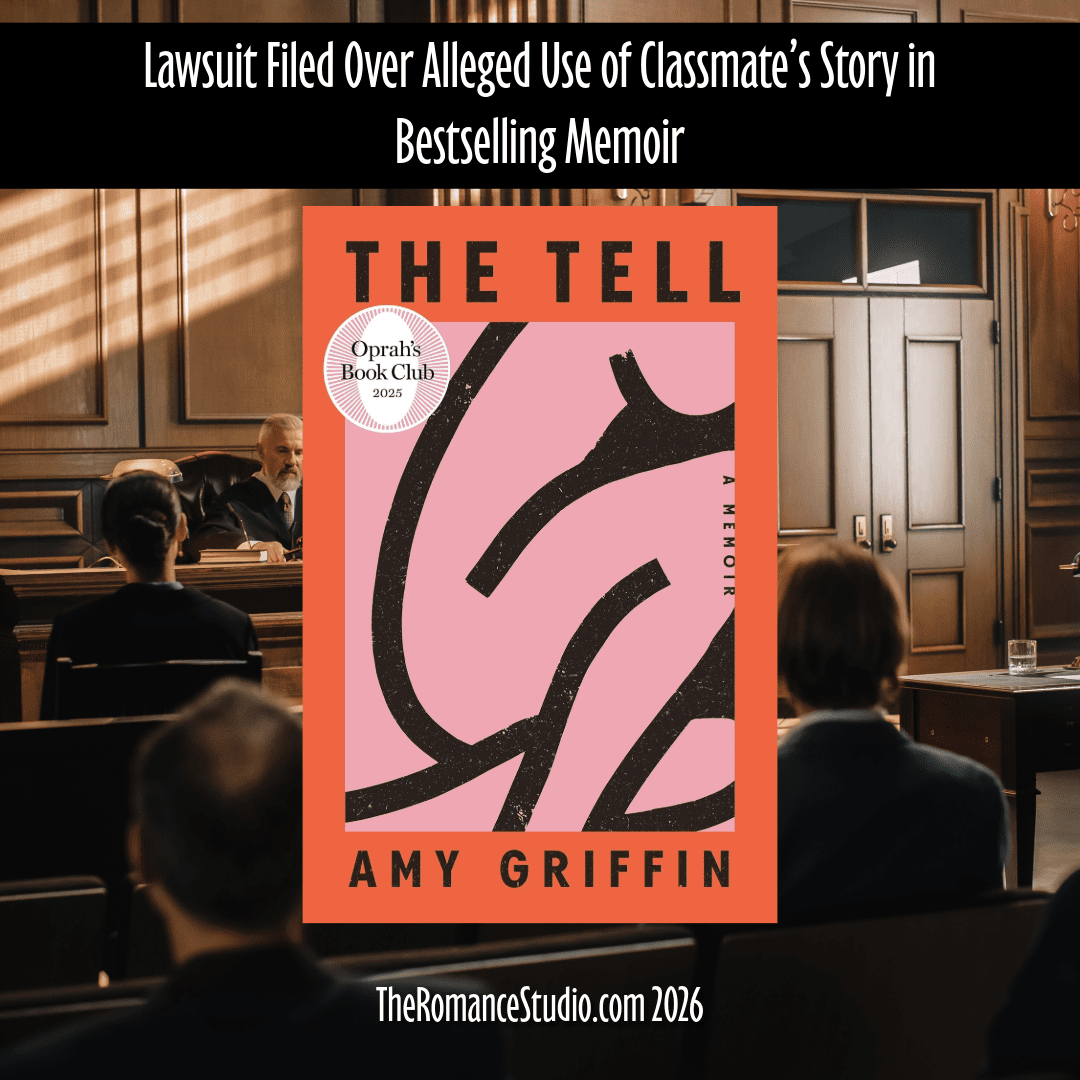
A former classmate of author Amy Griffin has filed a lawsuit in California state court alleging that Griffin’s bestselling memoir The Tell improperly incorporated deeply personal experiences from the plaintiff’s own life. The complaint accuses Griffin and others involved with the book of invasion of privacy, negligence, and inflicting emotional distress.
The lawsuit, filed by a woman identified as Jane Doe, claims that Griffin included descriptions of two sexual assaults in the memoir that allegedly mirror events that happened to Doe during their shared time growing up in Amarillo, Texas. According to the filing, those incidents were presented in the book as Griffin’s own memories recovered during therapy.
Published in 2025, The Tell became a major literary release and was selected for Oprah’s Book Club. In the memoir, Griffin recounts undergoing MDMA-assisted therapy, during which she says she recovered long-suppressed memories of sexual abuse by a middle school teacher.
Doe’s lawsuit argues that certain passages in the book closely resemble traumatic experiences from her own life. The complaint alleges that Griffin used those details and presented them as her personal recollections after undergoing therapy.
In addition to Griffin, the lawsuit names ghostwriter Sam Lansky as well as Penguin Random House and its imprint Dial Press, which published the memoir.
The complaint also describes an unusual interaction that occurred in 2022. Doe says she was contacted by a man identifying himself as a film industry professional named “Dominique Price,” who claimed to be interested in adapting her life story for a movie. According to the lawsuit, Doe shared personal details with him over several weeks. The filing alleges that the individual may have been connected to Griffin or her collaborators and that the conversations were used to gather information for the book.
The legal action follows earlier public scrutiny surrounding The Tell. A 2025 article in The New York Times reported that Griffin and her husband had financial ties to a pharmaceutical company researching MDMA therapies and also highlighted inconsistencies within the memoir’s narrative. The same report quoted Doe, who said portions of the book appeared strikingly similar to the abuse she experienced.
Griffin’s legal team has strongly rejected the allegations. Attorney Thomas A. Clare criticized the lawsuit and the reporting that preceded it, arguing that the claims stem from a misleading narrative. According to Clare, the accusations lack merit and will ultimately be disproven in court.
The case adds to a growing debate about memoir writing, personal narrative, and the boundaries between lived experience and storytelling—especially when sensitive or traumatic events are involved. As the legal proceedings move forward, the dispute may raise broader questions about how memoirs are researched, written, and verified before publication.