
New Federal Proposal Sparks National Debate Over Book Access in Schools
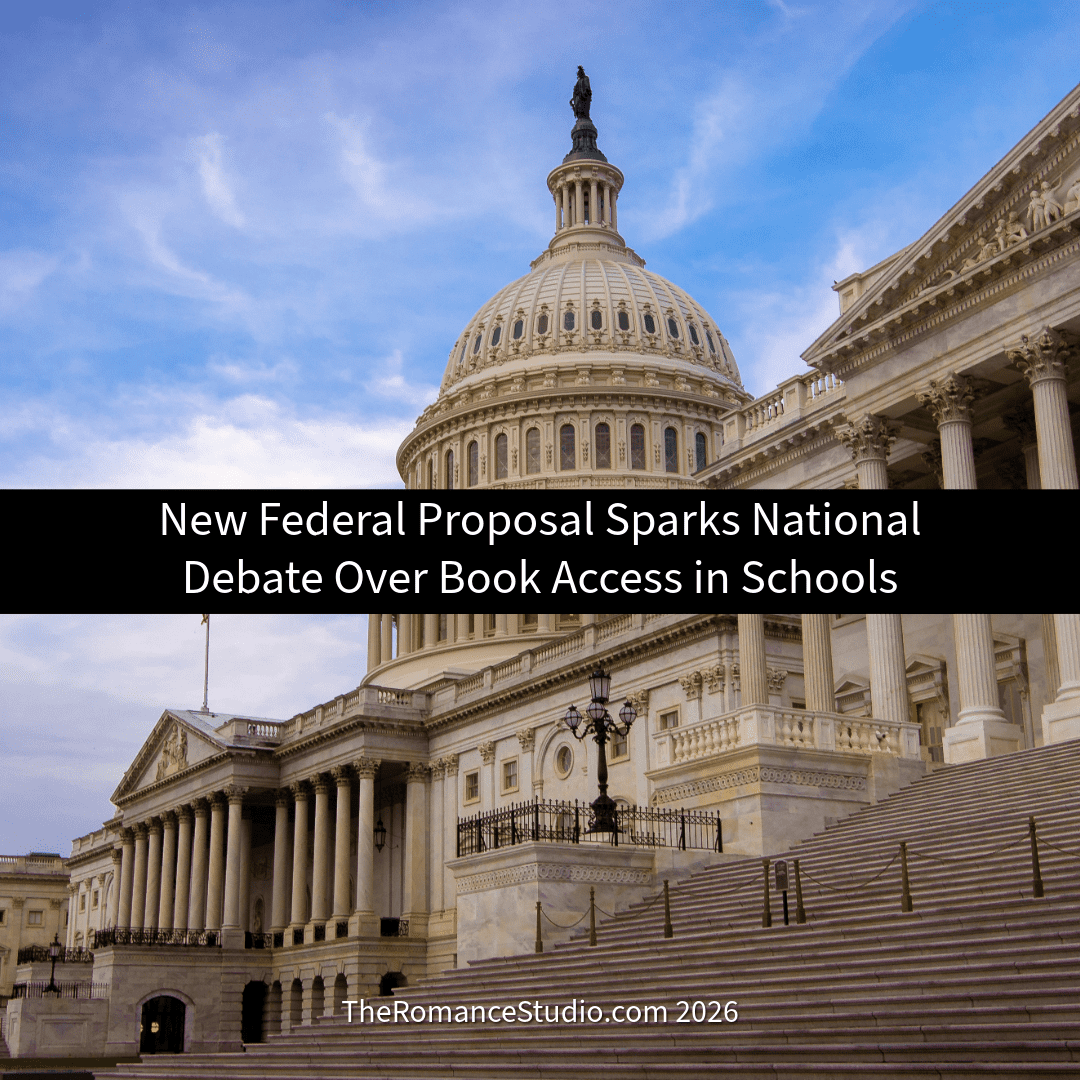
A newly introduced bill from Republican lawmakers in Congress is igniting widespread discussion across the publishing, education, and literary communities, as it proposes federal standards that critics say could dramatically expand book removals in schools nationwide.
The legislation seeks to establish a national framework governing what materials may be considered appropriate for minors in federally funded educational settings. Supporters argue the measure is intended to give parents stronger oversight regarding classroom and library content. Opponents, however, warn that the proposal could effectively create the first nationwide mechanism enabling large-scale book bans across public schools.
If enacted, the bill would allow challenges to educational materials based on broadly defined concerns related to sexual content or perceived obscenity. Advocacy organizations note that similar language has already been used at state and local levels to remove books addressing topics such as race, gender identity, sexuality, and historical injustice.
Free speech advocates, including librarians’ associations and civil liberties groups, say the concern lies not only in individual removals but in the chilling effect such federal policy could create. Educators may preemptively avoid stocking or assigning certain titles to sidestep potential complaints or funding risks.
Publishing industry observers point out that recent years have already seen a surge in coordinated challenges to school library collections. Expanding those efforts to the federal level could shift decisions traditionally handled by local districts into a broader national policy arena.
Supporters of the bill maintain that parents deserve transparency and influence over educational materials accessible to children. Critics counter that literature addressing complex or difficult subjects plays a vital role in education, empathy-building, and historical understanding.
As debate unfolds, the proposal highlights an increasingly polarized national conversation about who determines what young readers can access—and how literature fits into broader cultural and political conflicts surrounding education in the United States.
Whether the bill advances remains uncertain, but its introduction signals that battles over books, curriculum, and intellectual freedom are likely to remain central issues in the years ahead.