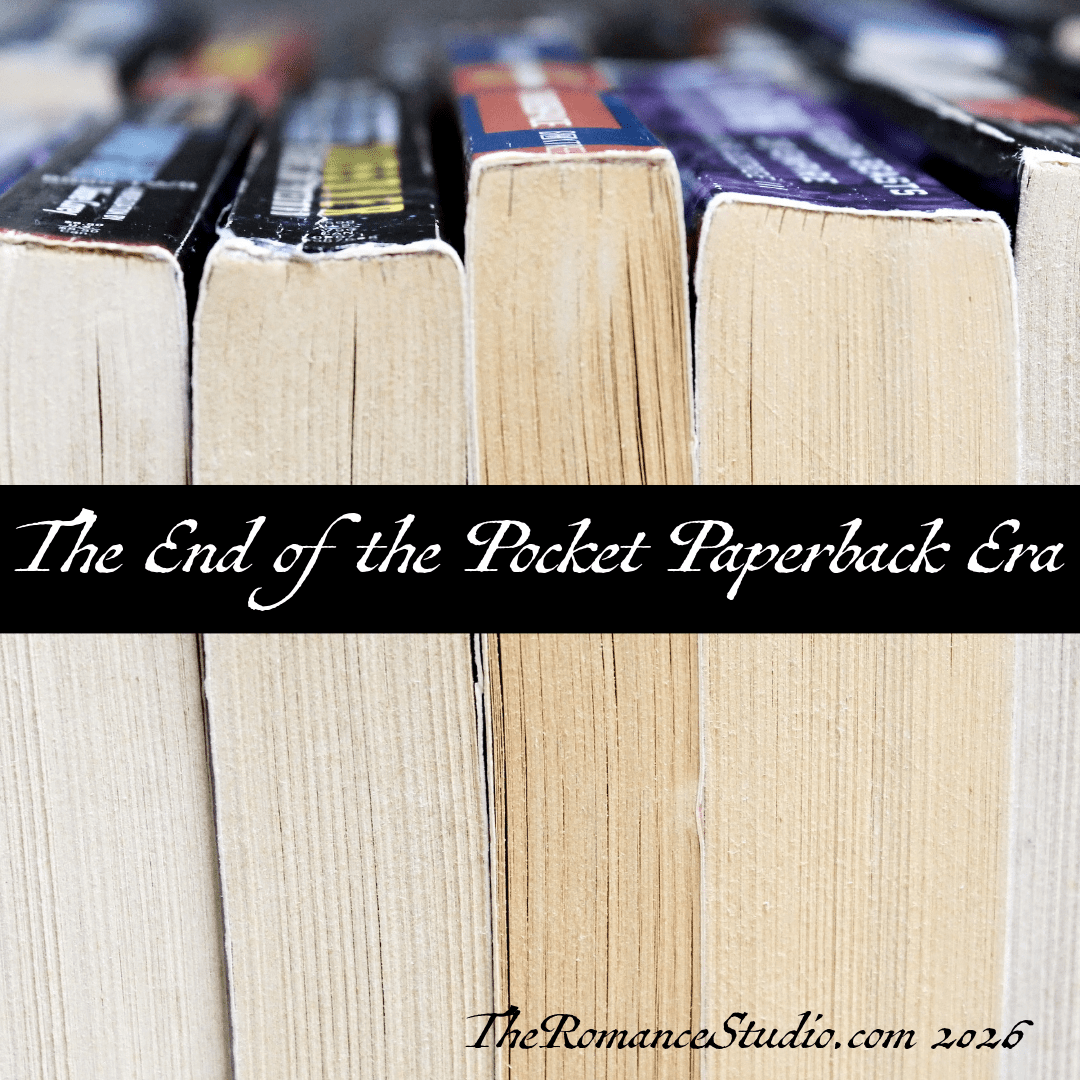
The humble mass market paperback—small, cheap, and once everywhere—is quietly exiting the stage.
According to a recent report from Publishers Weekly, ReaderLink, the largest distributor supplying books to retailers across North America, stopped distributing mass market paperbacks at the end of 2025. With that decision, a format that shaped generations of readers is effectively being phased out of the modern book trade.
Mass market paperbacks were designed for access. Typically around 5×7 inches and printed on inexpensive paper, they prioritized affordability over longevity. These were the books you grabbed at grocery stores, airports, drugstores, K-Mart, and gas stations—often priced between $5 and $7 and easy to toss into a bag or back pocket. Trade paperbacks, by contrast, are larger, sturdier, and more expensive, aimed at bookstores rather than checkout aisles.
From the late 1960s through the mid-1990s, mass market paperbacks dominated publishing. Their low price point meant they routinely outsold both hardcovers and trade paperbacks, sometimes by staggering margins. Former Bantam executive Esther Margolis summed up their cultural impact bluntly: mass market paperbacks democratized reading. Books weren’t precious objects—they were everywhere, for everyone.
So why are they disappearing?
First, the physical spaces that once sustained them are gone. Paperback racks in supermarkets and drugstores have largely vanished, replaced by gift items and impulse snacks. Chain bookstores—when they survived at all—favored higher-margin hardcovers and trade paperbacks.
Second, big-box retailers like Walmart and Costco dramatically reduced or eliminated book departments. Mass market paperbacks, already low-margin products, simply weren’t profitable enough to justify the shelf space.
Third, and perhaps most decisively, ebooks changed the economics. For more than a decade, digital editions have launched simultaneously with hardcovers, eliminating the long wait readers once endured for a cheaper paperback version. If saving money is the goal, an ebook now fills that role more efficiently than a physical mass market edition ever could.
The numbers tell the story clearly. In the first eleven months of 2025, mass market paperback sales fell 26.2%, totaling just $81 million. In the same period, standard paperback sales reached roughly $2.9 billion. The market has spoken.
What’s lost isn’t just a format, but a feeling. For many readers, mass market paperbacks were entry points: Hardy Boys mysteries plucked from grocery store racks, dog-eared sci-fi novels read on long car rides, romances devoured in a weekend. They weren’t built to last—pages yellowed, spines cracked—but they were meant to be consumed, loved, and replaced.
As publishing moves forward, the pocket paperback joins a long list of beloved media formats rendered obsolete by changing habits and economics. Its disappearance marks the end of an era when books were as commonplace as milk and cereal—and just as easy to grab on the way home.