
Truth Under Scrutiny: Questions Mount Around Beloved Memoir The Salt Path
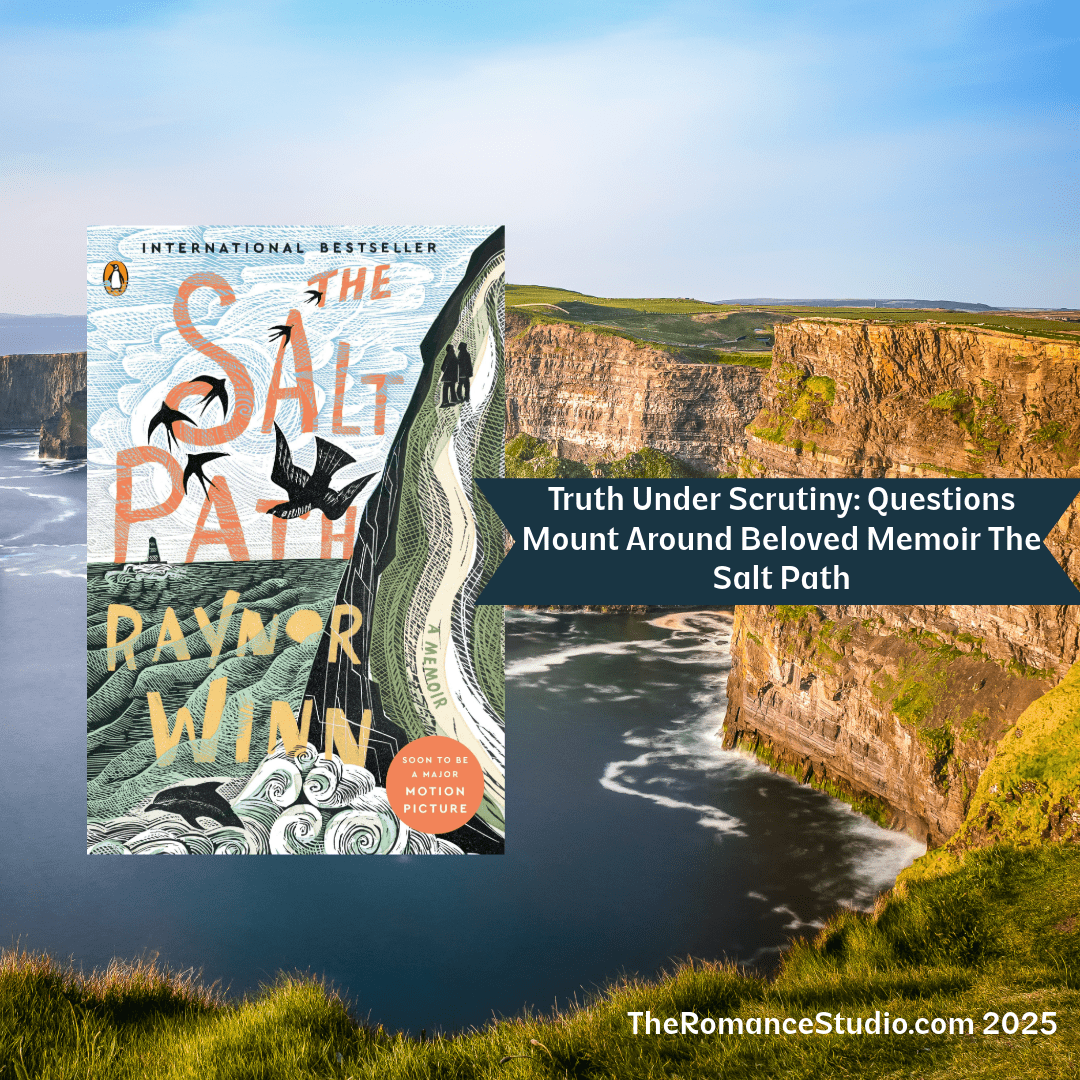
In a revelation shaking the literary world, The Salt Path, the internationally bestselling memoir by Raynor Winn—now a major motion picture starring Gillian Anderson—has come under intense scrutiny after a damning investigative report by The Observer revealed possible fabrications and misrepresentations at the heart of the story.
Winn’s memoir tells the evocative tale of a couple who lose everything and decide to walk the 630-mile South West Coast Path after the husband, Moth, is diagnosed with a terminal neurological disease. But according to The Observer’s in-depth reporting, the true story may be far more complicated—and far less noble.
A Past Hidden in Plain Sight
The investigation revealed that “Raynor Winn” is a pen name. Her legal name is Sally Walker, and the couple didn’t simply fall victim to a bad investment. Rather, records show that she embezzled £64,000 from her employer, then took out a mortgage on their home in a failed attempt to settle the legal trouble. The property was eventually repossessed.
Adding another layer of intrigue, the couple once ran a publishing venture called Gangani Publishing. The company published a single novel—How Not to Dal dy Dir (Stand Firm)—with a bizarre marketing hook: readers could win the Walkers’ home in a prize draw. According to the promotional material, the house would be transferred “free of mortgage or any legal charge.” In reality, the house had a mortgage of £230,000 and was under legal pressure for repossession.
Health Claims Challenged
More critically, the book’s depiction of Moth’s medical diagnosis—corticobasal degeneration, a rare and terminal condition—has come under fire. Nine medical experts consulted by The Observer expressed serious doubts. The memoir claims that long-distance walking significantly improved Moth’s condition and physical capabilities, but doctors say such a recovery is medically implausible. One neurologist stated bluntly: “I’ve never looked after anyone that’s lived that long with corticobasal.”
This is particularly concerning given that The Salt Path and its sequels positioned themselves as deeply inspirational accounts of survival, resilience, and healing—accounts that now appear to potentially include misleading medical claims.
Silence and Pushback
Penguin, the publisher behind The Salt Path, has not issued a statement. Walker herself did respond, stating: “The Salt Path lays bare the physical and spiritual journey Moth and I shared, an experience that transformed us completely and altered the course of our lives. This is the true story of our journey.”
That assertion stands in sharp contrast to The Observer‘s findings, which allege a pattern of omission, manipulation, and possible exploitation of readers’ goodwill.
What Comes Next?
With a Hollywood adaptation already in the public eye and the memoir still a fixture on many bestseller lists, the revelations raise thorny questions about truth in nonfiction, publisher responsibility, and the ethical gray areas of memoir writing. Should a story meant to inspire be held to a higher factual standard? And what happens when the narrative crumbles?
As readers, critics, and booksellers begin re-evaluating The Salt Path, one thing is clear: the path forward for its author and publisher just got a lot rockier.