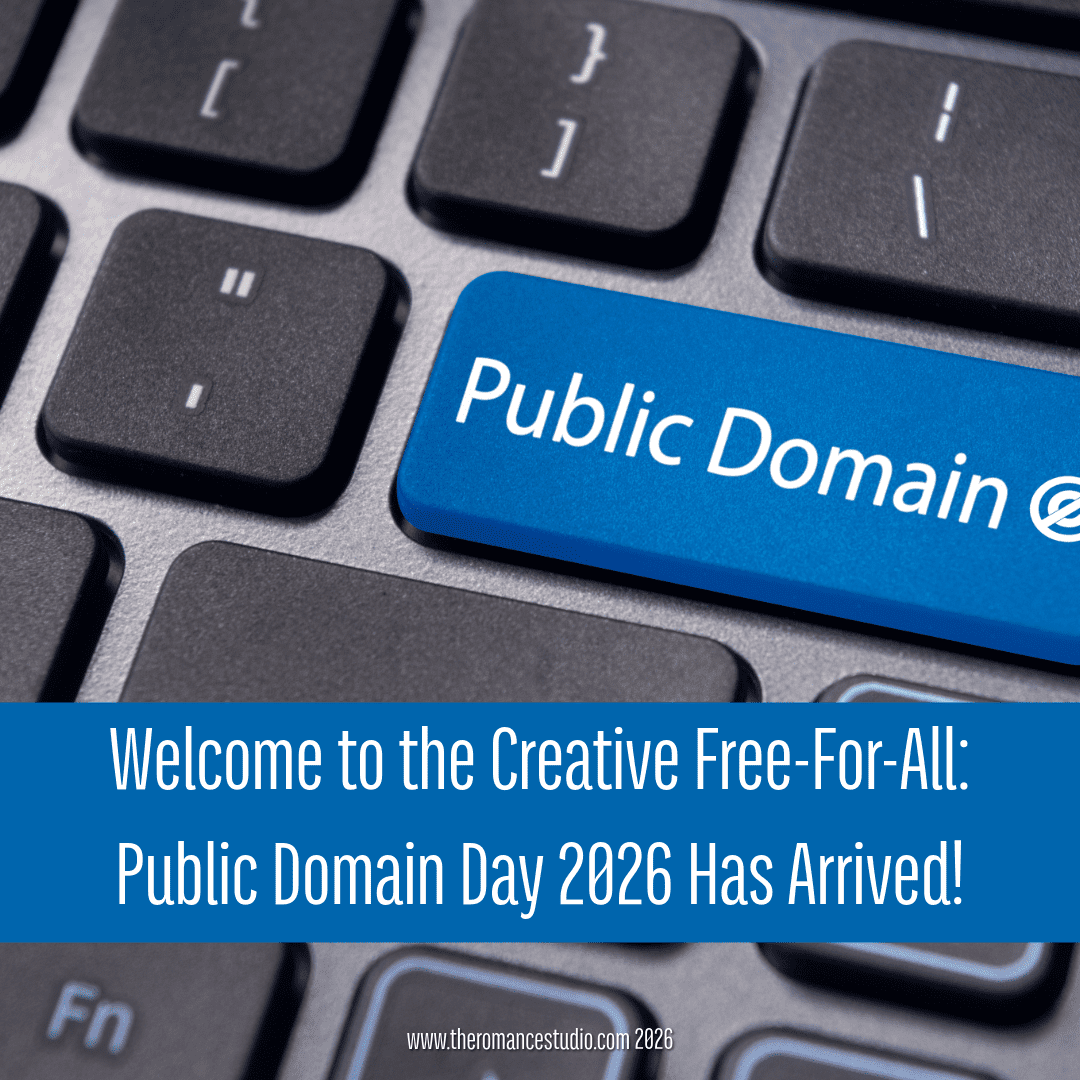
Every January 1st, something quietly magical happens—and 2026 is no exception. While most of us are shaking off holiday sugar comas and writing the wrong year on checks, a massive creative treasure chest swings wide open. It’s Public Domain Day, the moment when a new class of books, films, music, and art officially becomes free for everyone to use, remix, adapt, and reimagine.
So what’s the big deal?
In the U.S., works published in 1930 are now out of copyright protection. That means no permissions, no licensing fees, no legal gymnastics. These stories and creations now belong to everyone.
Writers can retell them. Filmmakers can adapt them. Artists can mash them up. Teachers can share them freely. Creators can do that thing we love most, build something new from something old.
What Just Entered the Public Domain?
Public Domain Day 2026 unlocks a fascinating slice of cultural history. Think early sound-era films, classic novels, newspaper serials, illustrations, sheet music, and more, all works shaped by the world between two wars, bursting with ambition, innovation, and drama.
Many of these stories were written for popular audiences of the time, which makes them especially ripe for modern reinvention. Hidden gems, forgotten bestsellers, and once-household names are all fair game again.
Why Creators Should Care
Public domain works are creative rocket fuel. They let you:
- Write retellings without legal risk
- Adapt stories into films, podcasts, or games
- Publish annotated or illustrated editions
- Reclaim marginalized or overlooked voices
- Experiment boldly without asking permission
From romance reimaginings to dark fantasy twists, the public domain is where old stories get second lives—and sometimes their best ones.
A Celebration of Shared Culture
Public Domain Day isn’t just about legality. It’s also about access. It’s a reminder that creativity thrives when culture is shared, not locked away forever. Each year adds more voices to the commons, strengthening the foundation future creators get to stand on.
So go explore. Dig through the archives. Fall in love with something written nearly a century ago. Then do what creators do best:
Make it new.