
Why Romance Readers Can’t Resist the Friends-to-Lovers Trope
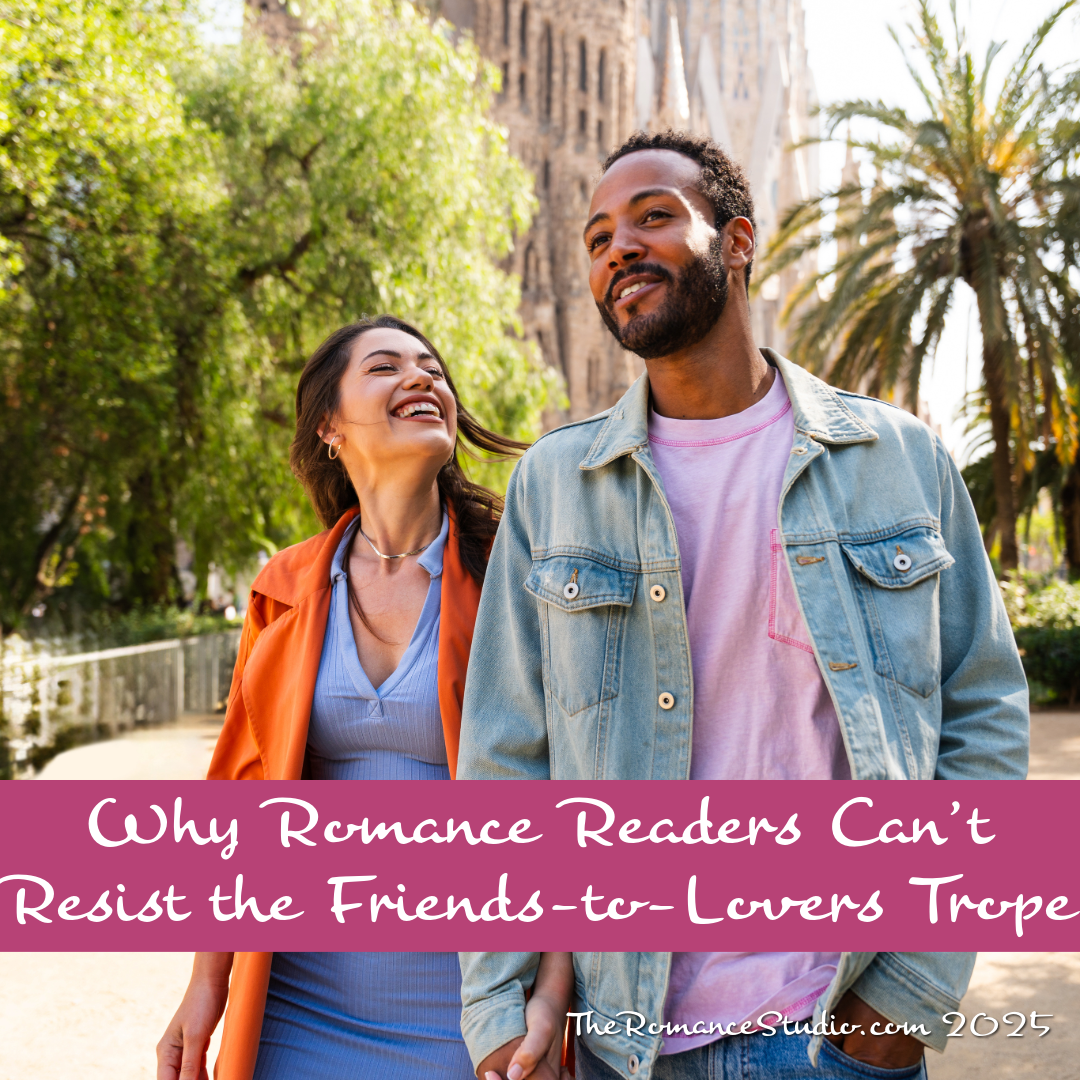
There’s something magnetic about the friends-to-lovers romance. Maybe it’s the way the tension simmers just beneath the surface. Maybe it’s the security of knowing each other’s flaws and quirks and falling in love with them anyway. For many romance readers, this trope delivers the ultimate blend of comfort and excitement: a relationship built on trust that still manages to surprise with passion.
In the world of romance fiction, trends come and go, but the friends-to-lovers trope remains a steadfast favorite.
The Emotional Safety Net
One of the biggest draws of friends-to-lovers stories is the built-in trust. Readers know these characters already share history, loyalty, and a genuine bond. That foundation creates a sense of safety, which makes the leap into romance all the more rewarding.
The characters aren’t diving into the unknown but instead expanding on something familiar, the emotional risk feels lower and the journey more reassuring. At the same time, reader investment is higher. When you’ve watched two characters laugh together, support each other, and offer unwavering protection, you can’t help but root for them to finally see what’s been right in front of them all along. This emotional safety net also makes the inevitable moment of romantic awakening feel monumental. It’s the culmination of years of connection.
The Delicious Slow Burn
If there’s one thing friends-to-lovers excels at, it’s tension. The slow-burn pacing keeps readers turning pages, desperate for that first undeniable spark. It’s in the lingering glances that suddenly feel charged, the unexpected moments of jealousy when one starts dating someone else, and the shifting body language. The casual brush of the hand that now carries an electric undercurrent.
Because the romance grows from an established relationship, authors can weave in these subtle changes with deliberate care, letting them accumulate in meaning over time. Readers get to savor every hint, every slip-up, every almost-confession, until the moment the emotional and romantic payoff finally bursts onto the page.
Relatable and Realistic
The friends-to-lovers trope often feels more grounded than love-at-first-sight or whirlwind romances. Many readers have experienced, or at least witnessed, a friendship slowly evolving into something deeper, which makes these stories instantly relatable and emotionally engaging.
Part of the charm comes from the authenticity of a shared history. Readers see the inside jokes, the familiar routines, the hobbies that bind the characters together, and the ways they’ve grown side by side over time. The conflicts also feel more organic. Misunderstandings aren’t about questioning whether the other person cares, but about weighing the risk: Should we take the leap and possibly lose what we already have?
Because of this realism, readers often find themselves projecting into the story, imagining their own “what if” moments and wondering how their lives might change if a friendship they value took a romantic turn.
Built-in Conflict: Risk vs. Reward
While friends-to-lovers may seem like an easy ride, it’s actually rich with internal conflict. The stakes aren’t about if the characters will find love, it’s about whether that love will cost them the friendship they’ve built over years.
These characters are often haunted by difficult questions. If this doesn’t work, will I lose my best friend? Can we ever go back to how things were? Will they see me differently if I confess? These fears create a constant push and pull between desire and caution, making every decision feel monumental.
This internal tug-of-war hooks readers, drawing them deeper into the story. We feel the weight of the risk, the tension of unspoken feelings, and the immense relief when love ultimately wins without destroying the bond that started it all.
Why It Works So Well in Romance Novels
The friends-to-lovers trope thrives because it combines emotional intimacy with romantic tension, giving authors a deep well of storytelling opportunities.
Perfect for multiple romance subgenres:
-
Small-town romance: Longtime neighbors realizing they’re perfect for each other.
-
College/new adult romance: Roommates or classmates discovering their connection.
-
Fantasy romance: Battle companions turning shared survival into love.
-
Workplace romance: Colleagues who’ve always had each other’s backs crossing the line.
By weaving romance into an already rich relationship, these stories naturally pack both emotional depth and satisfying payoffs.
Iconic Friends-to-Lovers Moments Readers Love
Romance fans often point to specific beats that make their hearts race:
- The “fake date” that feels a little too real
- One taking care of the other during a crisis
- A touch that lingers just long enough to change everything
- A moment of jealousy that sparks realization
- The inevitable love confession—often blurted out in the heat of an argument
These moments resonate because they feel earned. We’ve been on the journey with them, and we’re rewarded with the transformation.
Tips for Readers Who Love This Trope
If you’re a romance reader obsessed with the friends-to-lovers trope, you’ll find it woven into countless subgenres and author styles, from small-town love stories to high-stakes fantasy adventures. It’s a theme that adapts beautifully, no matter the setting or tone.
To get the most out of this trope, start by looking for slow-burn romance tags on book retailer sites. These often lead to stories where the friendship-to-romance transition is drawn out for maximum emotional payoff. Search for keywords like best friends, childhood friends, or roommates to uncover titles that feature this dynamic at the heart of the plot. And don’t overlook romance reader communities, both online and offline. Fans are always eager to share their favorite friends-to-lovers recommendations and hidden gems.
At its core, friends-to-lovers is about love growing from something real. Readers see the possibility that the person who knows you best could also be the one who loves you most. It’s about believing in love that’s both passionate and lasting—a romance that feels as solid in everyday life as it does in the swooniest moments.
A Trope That Feels Like Coming Home
The friends-to-lovers romance remains a favorite because it offers the best of both worlds, emotional security and romantic discovery. It’s the thrill of realizing the treasure you’ve been searching for has been beside you all along.
Whether you’re drawn to slow-burn longing, relatable stakes, or the joy of watching characters realize they’re perfect for each other, this trope delivers time and again.